
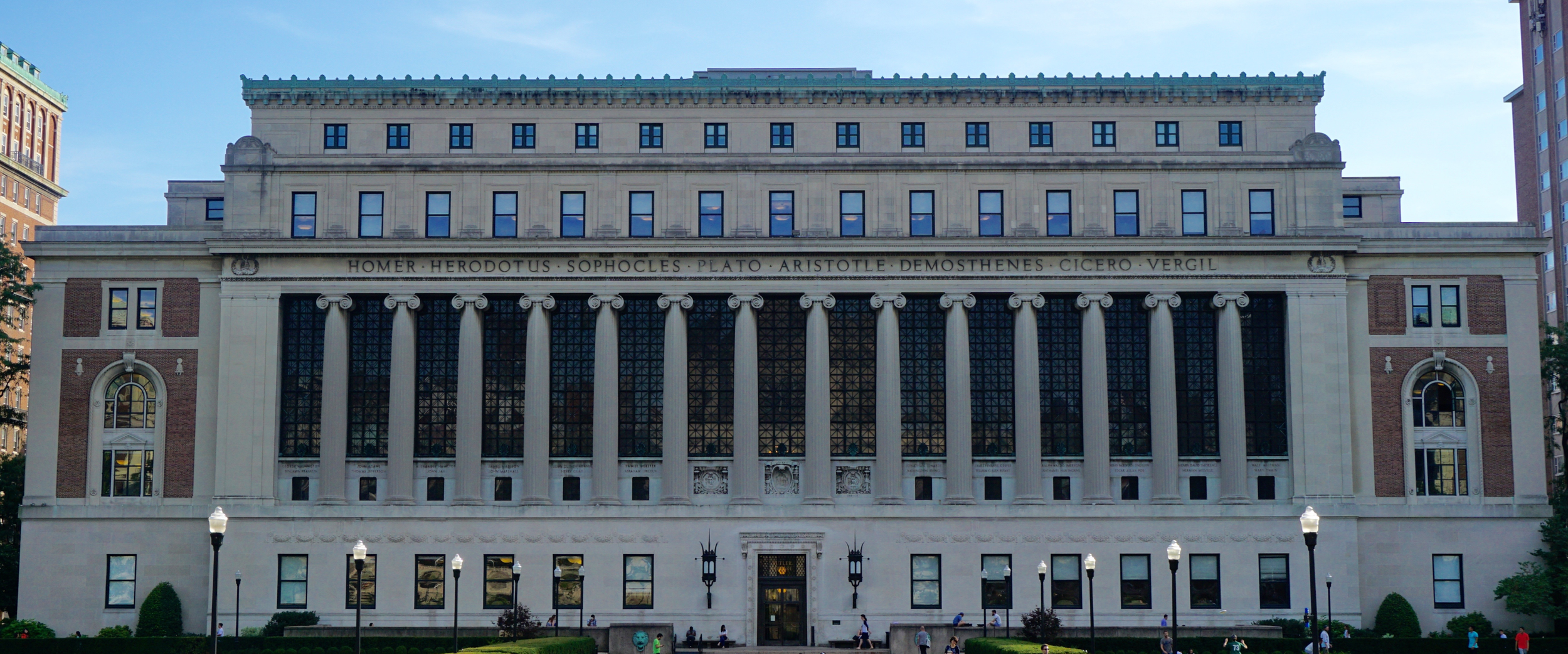
Columbia University Libraries
Making World-Class Research Accessible to Every Scholar
-

2 Platforms
Archives & Researcher Portal
-

WCAG 2.1 AA
Compliance Achieved
-

Real Users
Tested with Disabled Testers
The Challenge
Columbia University Libraries is one of the foremost academic research library systems in the world, housing rare archives, special collections, and digital research tools used by students, faculty, and scholars globally.
Columbia University Libraries is one of the foremost academic research library systems in the world, housing rare archives, special collections, and digital research tools used by students, faculty, and scholars globally. When Columbia launched a university-wide digital accessibility directive, the Libraries system was among the departments tasked with bringing their digital properties into compliance — a mandate that carried both legal weight and deep institutional meaning.
The challenge was specific but significant: two critical platforms needed to be addressed. The first was the researcher and student portal — the primary gateway through which scholars access the Libraries' digital holdings. The second was the digital archives and special collections interface, where unique and often irreplaceable materials are made available online.
For a research library, inaccessibility isn't an abstract compliance risk — it's a barrier to scholarship. A graduate student using a screen reader who cannot navigate the archives interface is not just inconvenienced; they are excluded from research that their peers can access freely. Columbia Libraries needed a partner who understood both the technical demands of accessibility and the academic context in which these tools operate.
The Inclusive Web Solution
Inclusive Web conducted a focused, human-led WCAG 2.1 AA audit of both platforms — the student and researcher portal and the digital archives and special collections interface — evaluating every critical user flow against the full range of accessibility criteria.
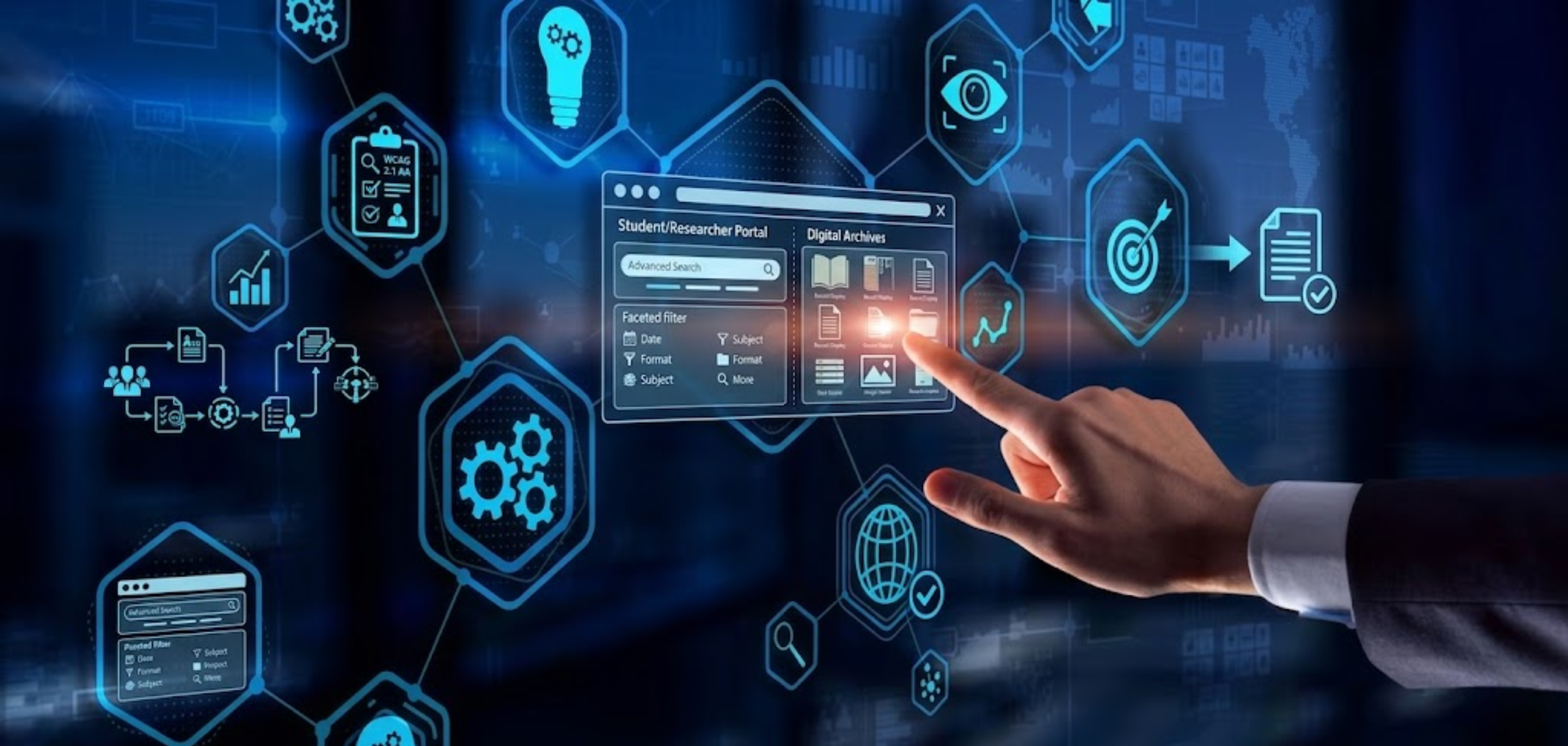
Given the complexity of research interfaces — with advanced search functionality, faceted filtering, metadata-rich record displays, and document viewers — our audit went well beyond surface-level issues. We identified barriers specific to the archival research experience and developed prioritized remediation guidance that Columbia's development team could act on immediately. Every fix was verified before sign-off.
Human-led WCAG 2.1 AA audit of the student and researcher portal, including search, account management, and resource access flows
Digital archives and special collections audit covering catalog search, item records, collection browsing, and document viewing interfaces
Accessibility evaluation of complex UI components common in research tools — faceted search filters, metadata tables, and paginated results
Remediation guidance tailored to the technical architecture of each platform
Fix verification — every resolved issue confirmed working before closure
Real-user testing with testers who identify as disabled, validating the research experience using screen readers, keyboard-only navigation, and voice control
Alignment with Columbia's university-wide accessibility directive, with documentation supporting departmental compliance reporting
Real-User Accessibility Testing — Built for the Research Context
Inclusive Web validated the Columbia Libraries platforms with testers who identify as disabled and rely on assistive technologies daily — including screen readers (JAWS, NVDA, VoiceOver), keyboard-only navigation, and voice control. For a research library, this means confirming that a scholar using a screen reader can search the archives, navigate collection records, and access materials with the same depth and independence as any other researcher.


The Result
WCAG 2.1 AA compliance achieved across both the researcher portal and digital archives interface
Complex research UI components — including faceted search, metadata displays, and document viewers — made fully accessible
Student and researcher portal accessible to users relying on screen readers, keyboard navigation, and other assistive technologies
Digital archives and special collections accessible to all scholars, regardless of ability — fulfilling the library's core mission of open access to knowledge
Columbia Libraries' compliance with the university-wide accessibility directive documented and verified
Real-user testing confirmed that the research experience works in practice for people who rely on assistive technologies daily — not just that it passes automated checks

"Our mission is to connect scholars with knowledge. Inclusive Web helped us make sure that mission extends to every scholar — including those who rely on assistive technologies to do their research."
Director of Digital Initiatives, Columbia University Libraries
Services Delivered

WCAG 2.1 AA Audit (Researcher Portal)

Remediation Verification

Digital Archives & Special Collections Audit

Real-User Usability Testing

Complex UI Component Accessibility Review

University Directive Compliance Documentation
Compliance & Public Mandate Drivers
Federal obligations and public expectations that made this work essential.

University-Wide Accessibility Directive

ADA Title II Compliance

WCAG 2.1 AA Standard

Academic Mission — Open Access to Knowledge

Student & Researcher Accommodation
Is your institution responding to a university-wide accessibility directive?
Inclusive Web helps individual departments and library systems meet institutional accessibility mandates — with human-led audits, verified remediation, and real-user testing that holds up to scrutiny.